

Recurrent miscarriage treatment addresses the underlying causes of repeated pregnancy losses to help couples achieve successful, healthy pregnancies. At Renu IVF, a trusted IVF centre in Kanpur, we combine advanced diagnostic testing, evidence-based treatment protocols, and compassionate emotional support to help you overcome pregnancy loss challenges and fulfill your dream of parenthood.
This page explains the causes of recurrent miscarriage, essential diagnostic tests, available treatment options, and what to expect during care—so you can make informed decisions that align with your medical needs and emotional well-being.
Recurrent miscarriage, also called recurrent pregnancy loss (RPL), is defined as two or more consecutive pregnancy losses before 20 weeks of gestation. While isolated miscarriages are common—affecting 15-20% of recognized pregnancies—recurrent miscarriage is less common, occurring in approximately 1-2% of couples trying to conceive.
Experiencing repeated pregnancy losses is emotionally devastating and physically challenging. However, it’s important to know that even after multiple miscarriages, most couples (60-80%) can achieve successful pregnancy with proper evaluation, treatment, and support.
At Renu IVF, recurrent miscarriage treatment prioritizes identifying underlying causes, implementing targeted treatments, and providing comprehensive emotional support throughout your journey to successful pregnancy.
Understanding what causes recurrent pregnancy loss is essential for developing effective treatment strategies. Multiple factors can contribute to repeated miscarriages.
Random chromosomal abnormalities in embryos are the most common cause of sporadic miscarriage and can contribute to recurrent losses. While individual pregnancies may have chromosomal errors by chance, recurrent chromosomal issues suggest underlying parental factors or advanced maternal age.
Approximately 3-5% of couples with recurrent miscarriage have balanced chromosomal translocations or inversions. While parents are healthy, they can create embryos with unbalanced chromosomes that cannot develop normally. These structural chromosomal rearrangements significantly increase miscarriage risk.
Structural problems with the uterus can prevent proper embryo implantation or pregnancy development:
These anatomical issues can compromise blood flow, limit space for growth, or create hostile implantation environment
Inadequate progesterone production after ovulation fails to support early pregnancy. The uterine lining doesn’t develop properly, preventing secure embryo implantation and early pregnancy maintenance.
Both hypothyroidism (underactive thyroid) and hyperthyroidism (overactive thyroid) increase miscarriage risk. Even subclinical thyroid dysfunction or presence of thyroid antibodies can affect pregnancy outcomes.
Women with PCOS have increased miscarriage rates related to insulin resistance, hormonal imbalances, and potentially egg quality issues.
Poorly controlled diabetes, especially with elevated blood sugar before conception, significantly increases miscarriage risk.
Inherited or acquired blood clotting disorders can cause tiny blood clots in placental blood vessels, reducing blood flow to the developing embryo.
Antiphospholipid syndrome is found in 15% of women with recurrent miscarriage and is a treatable cause.
Conditions where the immune system attacks the body’s own tissues can affect pregnancy:
Controversial theories suggest some women’s immune systems may inappropriately reject the embryo. However, treatments for alloimmune factors remain unproven and are not recommended in standard medical practice.
While acute infections rarely cause recurrent miscarriage, chronic infections may contribute:
Women over 35 have higher miscarriage rates due to increased chromosomal abnormalities in eggs. By age 40, miscarriage risk approaches 40-50% per pregnancy.
Despite thorough testing, approximately 50% of recurrent miscarriage cases remain unexplained. Even without identified cause, prognosis is generally good—60-70% of these couples achieve successful pregnancy with supportive care.

Most common question that is asked by many: “How many miscarriages can a woman have before seeing a specialist?”
What experts suggest is that you don’t wait too long (for 3 or more), if there are two consecutive losses, you need to consult a miscarriage specialist. Early evaluation increases the chances of identifying underlying issues and creating a treatment plan.
It’s natural to feel anxious, but one should always try to reach out soon as this can be a huge difference. Live testimonies are there to confirm, how couple in despair and distrust found the new joy that too in the early phase of treatment itself.
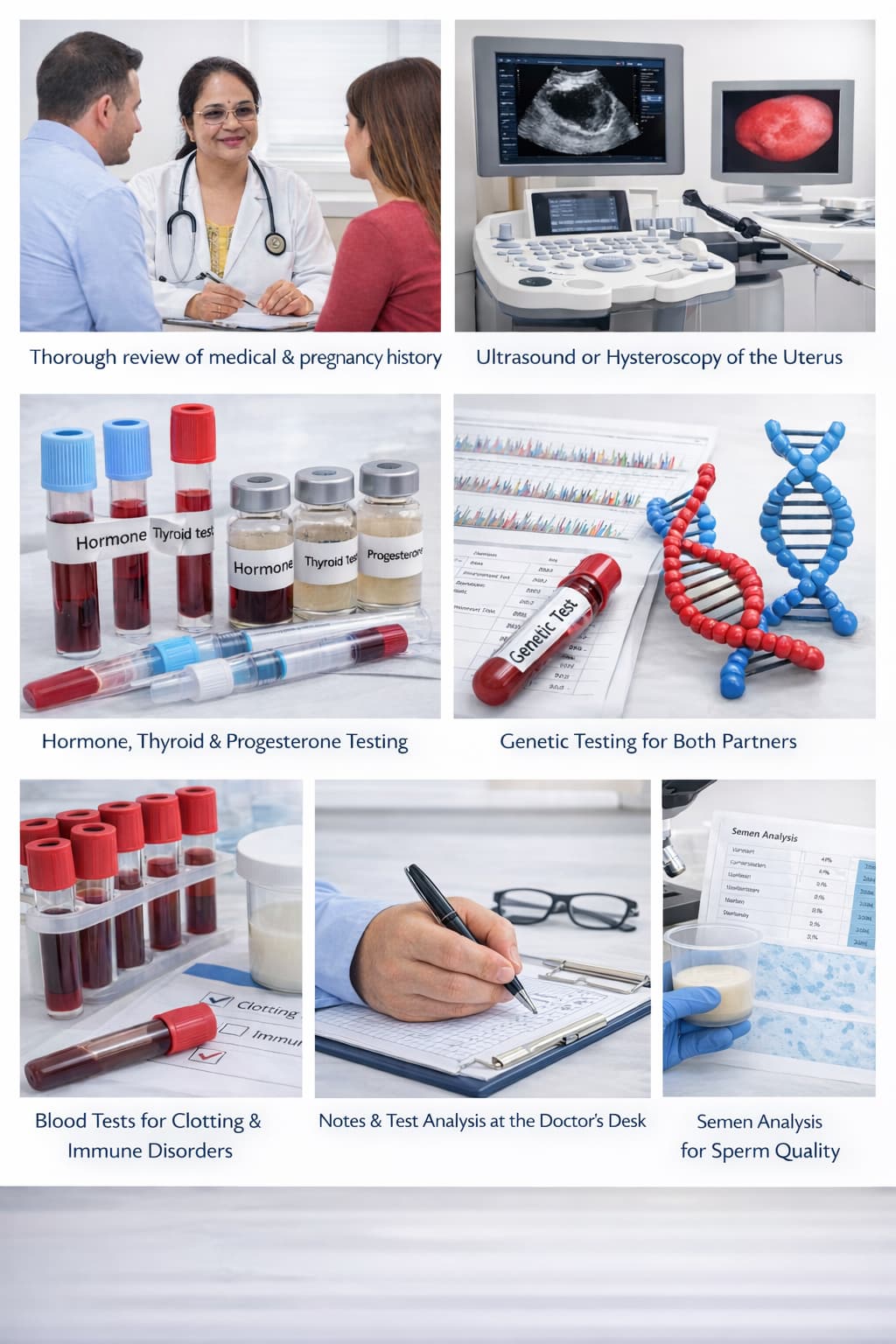
At Renu IVF, every treatment starts when we know and understand what is you need and what unique methods are required to treat your condition. We understand every couple is different, and your evaluation will be based on that only. Typical steps include:
It’s not just about running tests, what we do is we interpret them in the context of your life, history, and hopes.

Treatment is not monotonous or generic it largely depends on what we get on individual basis; we make it personalized. Some of the options that we go as per requirements are:
It’s testimony of many patients that having a supportive team makes a huge difference. Because, at Renu IVF It’s not just about treatment — it’s about feeling safe, heard, and guided.
Treatment is tailored to identified causes. When specific problems are found and treated, success rates improve significantly.
Low-dose aspirin may benefit some women with unexplained recurrent miscarriage, though evidence is mixed. Often prescribed as safe, low-cost option with minimal side effects.
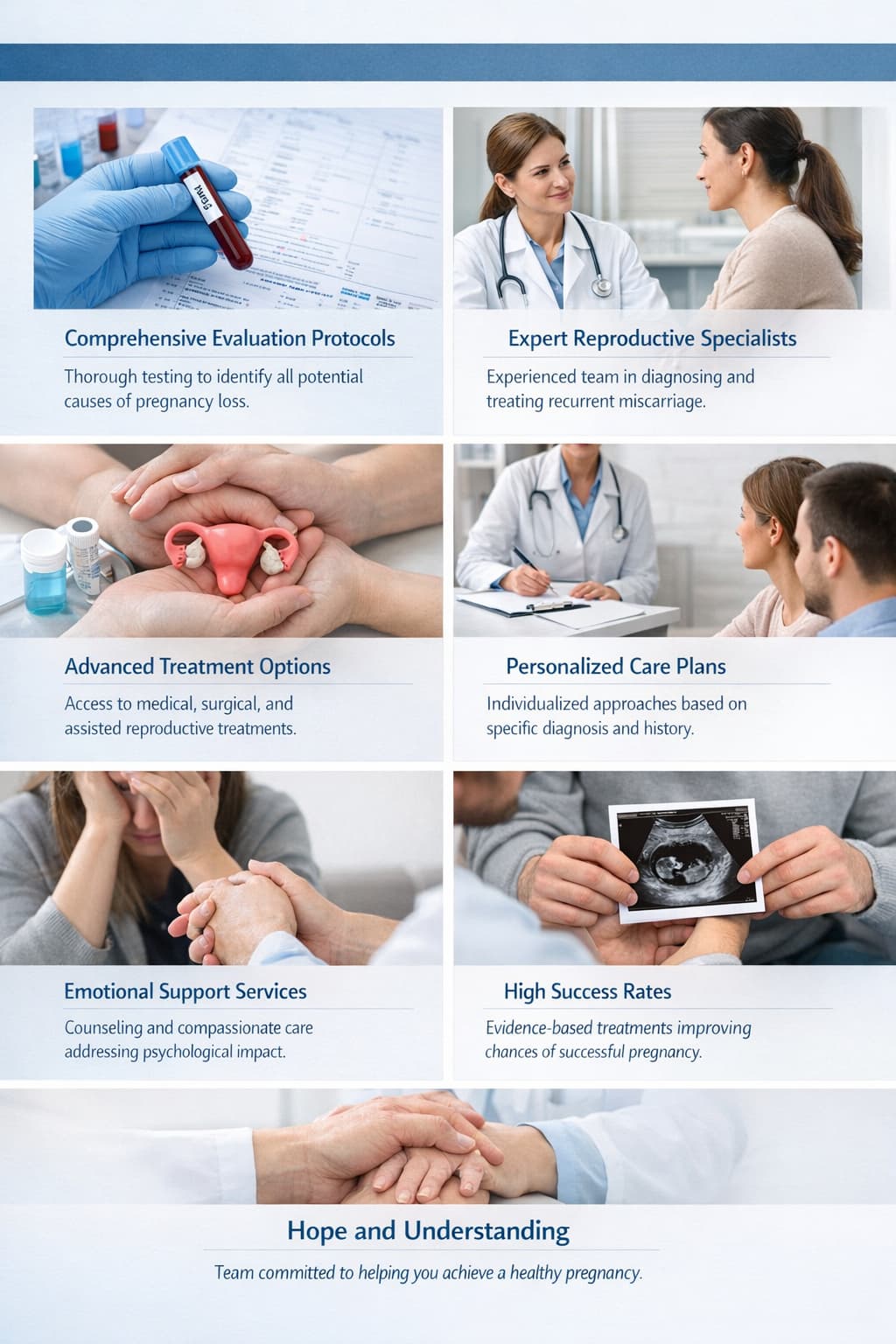
Hope and Understanding Team committed to helping you achieve healthy pregnancy
Comprehensive testing helps identify treatable causes and guide appropriate management strategies.
Detailed review of previous pregnancies including gestational age at losses, symptoms experienced, ultrasound findings, pathology results if available, and time between pregnancies. Complete medical history, family history, lifestyle factors, and medications are documented.
Blood test examining both partners’ chromosomes to identify balanced translocations, inversions, or other structural abnormalities. This simple test provides crucial information affecting future pregnancy planning.
When miscarriage tissue is available, chromosomal analysis determines if loss resulted from random embryonic abnormality or suggests parental factor. This helps distinguish between sporadic and recurrent causes.
Transvaginal ultrasound evaluates uterine shape, detects fibroids, identifies polyps, and assesses ovarian health. Often performed as initial screening.
X-ray procedure using contrast dye to outline uterine cavity shape and detect abnormalities. Excellent for identifying septate uterus, bicornuate uterus, and intrauterine adhesions.
Ultrasound with saline infusion into uterus provides detailed view of uterine cavity lining, detecting polyps and submucous fibroids with high accuracy.
Camera inserted through cervix directly visualizes uterine cavity. Both diagnostic and therapeutic—can remove polyps, fibroids, or septum during same procedure. Considered gold standard for uterine cavity evaluation.
MRI
Rarely needed but provides most detailed anatomical information for complex uterine anomalies.
Blood tests for inherited and acquired clotting disorders:
Testing performed at least 12 weeks after pregnancy loss and repeated 12 weeks later for confirmation if positive.
These tests lack proven clinical value and are not part of standard evaluation.

Recurrent miscarriage is emotionally traumatic. At Renu IVF, we provide:

There is one story of a couple from many of stories, we had one couple, who had three early miscarriages. When they met our team, they were exhausted and anxious. Once, we were done with testing, lifestyle adjustments, and personalized treatment, and now there is good news as they now have a baby on the way. Cases like these show that even after recurrent abortion, hope is real.
Recurrent miscarriage is heartbreaking, but answers and effective treatments exist. At Renu IVF, we provide the comprehensive evaluation, targeted treatment, and compassionate support you need to overcome pregnancy loss and achieve your dream of a healthy baby.
Contact Renu IVF today to schedule your recurrent miscarriage consultation and take the first step toward successful pregnancy.
It’s when a woman experiences two or more consecutive pregnancy losses before 20 weeks. Also called recurrent pregnancy loss or recurrent abortion.
Causes include genetic issues, hormonal imbalances, uterine abnormalities, immune disorders, blood clotting problems, lifestyle factors, or sometimes unexplained reasons.
Consult a miscarriage specialist after two consecutive losses. Early evaluation improves treatment outcomes.
Tests include ultrasound, hysteroscopy, hormone panels, genetic testing, immune and clotting evaluations, and semen analysis.
Options depend on the cause: hormonal therapy, surgical correction, IVF with PGT, immune therapy, lifestyle modifications, and counselling.

we provide advanced fertility treatments with compassionate, personalized care. Our board-certified fertility specialists offer a full range of services including IVF (In Vitro Fertilization), IUI (Intrauterine Insemination), egg freezing, embryo transfer, male & female infertility testing, and genetic screening. Whether you are just beginning your fertility journey or seeking the most advanced reproductive care, Renu IVF is here to guide you with expertise and empathy.
Sunday: 9 AM – 2 PM