
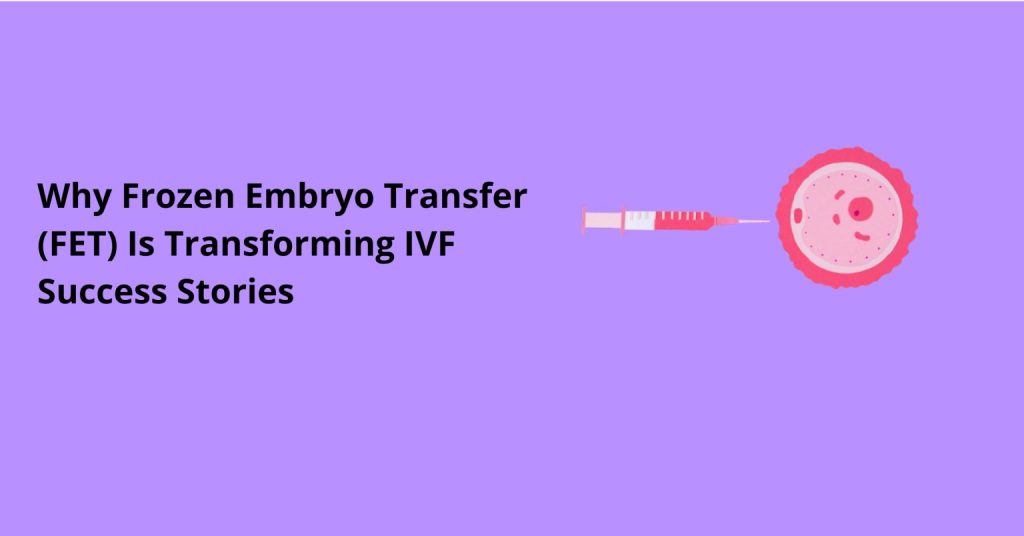
In the modern age of fertility treatment, Frozen Embryo Transfer (FET) has become an option that is preferred by numerous couples. This method involves freezing embryos produced during IVF and then transferring them into in the uterus after a well scheduled date.
Due to FET’s flexible nature, safety as well as greater success rates, FET is helping more couples to fulfill their goals of becoming parents with confidence.
What Is Frozen Embryo Transfer (FET)?
Frozen embryo transfer is a stage in the IVF procedure where embryos from previous cycles are preserved cryo (frozen) and stored to be used in the future. In the following, freezing embryo transfer the most high-quality embryos are then thawed and then transferred into the uterus at a time when it’s open to transfer.
The separation of egg removal and transfer allows the body time to heal, making the freezing procedure for embryo transfer extremely precise and efficient.
Who can benefit of Frozen Embryo Transfer (FET)?
FET is a good choice for a range of patients, which includes:
- Couples that have embryos frozen from prior IVF cycles
- Women who require some time to recover from egg retrieval
- People with hormonal imbalances will require extra time for preparation
- Persons who are at risk Ovarian Hyperstimulation Syndrome (OHSS)
- Couples who wish to test their genetics prior to the transfer
- Women who are using donor eggs or patients who are older looking to increase the chances of pregnancy
A fertility specialist can assist you to determine if FET best fits with your treatment strategy.
Key Advantages of Frozen Embryo Transfer
1. Higher Success Rates
One of the most significant advantages of freezing embryo transfers is its high results. By selecting the appropriate time to transfers, the uterus will be typically in a more natural more receptive state. Numerous studies demonstrate that FET cycles may have pregnancies that are equal or greater as fresh ones.
2. Greater Flexibility
FET provides couples with the flexibility to organize their shift to work, health as well as their personal agenda. This flexibility eases anxiety and increase the overall experience.
3. Reduced Risk of Complications
Separating stimulation from transfer lowers the chance of OHSS and other adverse consequences. The body can take the chance to restore balance which makes the transfer more secure.
4. Cost-Effective Future Attempts
After embryos have been frozen they can be used in future cycles without having to repeat the egg retrieval procedure. This will save both time and cost in the long term.
5. Genetic Testing Options
FET provides extra time to PGT, or Preimplantation Genetic Testing (PGT), helping select healthy embryos, and reducing chance of miscarriage.
Frequently Asked Questions (FAQs)
Q1. How long can embryos remain frozen prior to transfer?
The embryos can remain frozen for several years, without losing their quality. Utilizing modern cryopreservation techniques their viability is maintained as time passes.
Q2. Does the process of freezing embryo transfer painful?
The procedure is typically not painful. Similar to the pap smear, and generally doesn’t require anesthesia.
Q3. Are the rates of success with FET are as high as fresh transfers Do they?
In fact, often they’re even better. Since the uterine lining may be prepared better, FET frequently results in better implantation rates and increased pregnancy rates.
Q4. What’s the average time for recovery following a transfer of a frozen embryo?
Recovery is not too long. Most patients can resume regular activities within the next day, although doctors might advise against intense exercises for a brief period.
Q5. Do you think FET lower the chance of multiple pregnancy?
Do you think so. Because FET usually involves transferring one embryo of high quality It can reduce the risk of having twins or triplets when compared with previous IVF methods.
Conclusion
Frozen Embryo Transfer (FET) offers couples the ability to choose a flexible, smart and, often, more effective route to pregnancy. By planning carefully the freezing embryo transfer procedure couples will increase their chances of success while decreasing the risk and cost.
If you’re planning starting your very debut IVF cycle or are using embryos stored in your freezer, FET may be the answer to make your fertility journey easier and mo