

Starting a family is supposed to be an exciting phase of life, but for many couples, it turns into months or even years of waiting, testing, and unanswered questions. When a couple struggles to conceive, most people assume the problem lies with the woman. But that’s not always true. In nearly half of all infertility cases, the male partner plays a role, and one of the most common reasons is a lower than normal sperm count, medically known as oligospermia.
If you or your partner have recently been told about mild oligospermia during a fertility checkup, you are probably searching for answers right now. What does it actually mean? Is it serious? Can it be treated? Will you still be able to have a baby naturally? This blog answers all of these questions in plain, simple language, so you know exactly where you stand and what steps to take next.
What is Oligospermia?
Let’s start with the basics. Oligospermia meaning, in simple words, refers to a condition where a man’s semen contains fewer sperm than what is considered normal. Doctors measure sperm concentration in millions per milliliter of semen. A healthy sperm count is usually 15 million sperm per milliliter or more. When this number drops below the normal range, it is classified as oligospermia.
So, what is oligospermia exactly, and how is it different from infertility? It’s important to understand that oligospermia does not mean a man is infertile. It simply means the concentration of sperm is lower than average, which can reduce the chances of natural conception. Many men with this condition still go on to become fathers, either naturally over time or with a little medical support.
Oligospermia is generally divided into three categories based on severity:
- Mild oligospermia – sperm count between 10 to 15 million/ml
- Moderate oligospermia – sperm count between 5 to 10 million/ml
- Severe oligospermia – sperm count below 5 million/ml
Among these, mild oligospermia is the most commonly diagnosed and also the easiest to manage. In most cases, with the right lifestyle changes and treatment, men with mild oligospermia see a noticeable improvement in their oligospermia sperm count within a few months.
Understanding Oligospermia Sperm Count Numbers
One of the most confusing parts for patients is understanding what their actual test report means. A semen analysis report will usually show several parameters, not just sperm count. These include:
- Sperm concentration (count) – the number of sperm per milliliter
- Sperm motility – how well the sperm move
- Sperm morphology – the shape and structure of sperm
- Semen volume – the total amount of fluid produced
- pH level – acidity or alkalinity of the semen
The oligospermia sperm count is just one piece of this puzzle. A man can have a mildly low count but excellent motility and morphology, which still gives a reasonable chance of conception. On the other hand, a low count combined with poor motility or abnormal shape can lower the chances further. This is exactly why a proper semen analysis, interpreted by a fertility specialist, is so important instead of relying on internet averages.
Low Sperm Count Signs You Should Not Ignore
The tricky part about this condition is that it rarely announces itself. Most men live completely normal lives with no visible symptoms and only discover the issue when they undergo a semen test after struggling to conceive. Still, there are some low sperm count signs that can act as early warning indicators:
- Difficulty getting your partner pregnant even after 12 months of regular, unprotected intercourse
- A noticeably low sex drive or reduced interest in intimacy
- Difficulty achieving or maintaining an erection
- Problems with ejaculation, including reduced semen volume
- Pain, heaviness, or swelling around the testicles
- A visible lump or swelling in the testicle or scrotum area
- Reduced facial or body hair growth, which can point to a hormonal issue
- Testicles that feel smaller, softer, or firmer than usual
If you notice one or more of these low sperm count signs, don’t wait around hoping things will resolve on their own. A simple semen analysis test can give you clarity within a few days and help you plan the next steps confidently.
Reasons for Low Sperm Count (Oligospermia)
There is rarely just one single cause behind this condition. The reasons for low sperm count oligospermia can range from everyday lifestyle habits to underlying medical conditions. Understanding the root cause is the first step toward effective treatment. Common causes include:
- Varicocele: This is one of the most common causes of male infertility. It refers to swollen veins within the scrotum, similar to varicose veins, which raise the temperature around the testicles and interfere with sperm production.
- Infections: Sexually transmitted infections or infections in the reproductive tract, such as epididymitis or orchitis, can damage sperm-producing tissue or block sperm transport.
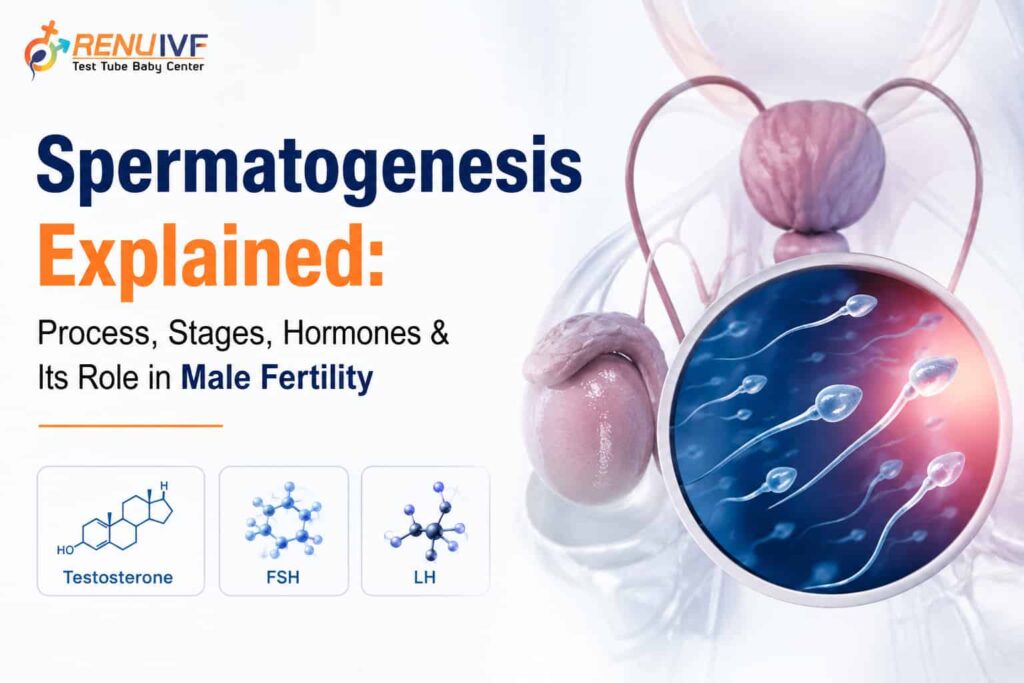
- Hormonal imbalance: Sperm production depends heavily on hormones like testosterone, FSH, and LH. Any imbalance, including thyroid problems, can directly affect sperm count.
- Obesity: Excess body fat can alter hormone levels, particularly by increasing estrogen and reducing testosterone, which negatively affects sperm production.
- Smoking, alcohol, and drug use: These habits are well documented to reduce both sperm count and sperm quality over time.
- Chronic stress and poor sleep: Long-term stress raises cortisol levels, which can suppress the hormones needed for healthy sperm production.
- Heat exposure: Frequent use of hot tubs, saunas, tight underwear, or keeping a laptop on the lap for long hours can raise scrotal temperature and impair sperm production.
- Medications and past surgeries: Certain medications, including some used for blood pressure, depression, or cancer treatment, along with past surgeries in the groin area, can affect sperm count.
- Genetic conditions: Conditions like Klinefelter syndrome or Y-chromosome microdeletions can directly impact sperm production from birth.
- Environmental toxins: Regular exposure to pesticides, heavy metals, industrial chemicals, and radiation has been linked to declining sperm counts.

In many patients, doctors find that more than one of these factors is contributing at the same time. This is exactly why a thorough diagnostic workup, rather than guesswork or self-medication, is necessary before starting any oligospermia treatment.
How Is Oligospermia Diagnosed?
Before jumping into treatment, your fertility specialist will usually recommend a set of tests to understand the underlying cause. These typically include:
- A detailed semen analysis, sometimes repeated after a few weeks for accuracy
- Blood tests to check hormone levels, including testosterone, FSH, LH, and thyroid function
- A physical examination to check for varicocele or other structural issues
- Scrotal ultrasound, if a varicocele or blockage is suspected
- Genetic testing, in cases of very low or zero sperm count
This diagnostic process helps the doctor understand not just what is oligospermia in your specific case, but exactly why it is happening, which shapes the entire treatment plan.
Oligospermia Treatment: What Are the Options?
The good news is that oligospermia treatment has advanced significantly over the past decade, and most men with mild to moderate cases have several effective paths available. Depending on the underlying cause and the oligospermia sperm count, your doctor may recommend one or a combination of the following:
- Lifestyle changes: This is often the first line of treatment for mild cases. Quitting smoking, cutting down alcohol, losing excess weight, avoiding heat exposure, and managing stress can meaningfully improve sperm count within three to six months.
- Medications: If an infection or hormonal imbalance is identified, targeted medication can correct the issue and restore normal sperm production over time.
- Surgery: For men with varicocele, a minor surgical procedure to correct the swollen veins often leads to a significant improvement in sperm count and quality.
- Antioxidant supplements: Vitamins like C and E, along with zinc, folic acid, and coenzyme Q10, are commonly recommended to reduce oxidative stress on sperm cells and support healthier production.
- IUI (Intrauterine Insemination): For mild oligospermia, IUI is often an effective and less invasive option. Washed and concentrated sperm are placed directly into the uterus around the time of ovulation, increasing the chances of fertilization.
- IVF (In Vitro Fertilization): When natural conception or IUI does not lead to success, IVF becomes a strong option. Eggs are retrieved from the female partner and fertilized with sperm in a lab setting before the embryo is transferred to the uterus.
- ICSI (Intracytoplasmic Sperm Injection): This is a specialized technique used alongside IVF, where a single healthy sperm is directly injected into an egg. ICSI is particularly useful for men with low sperm count, as it removes the need for a large number of sperm to achieve fertilization.

For most men with mild oligospermia, low sperm count treatment begins conservatively with lifestyle correction and medication. If the sperm count does not improve sufficiently within a reasonable timeframe, assisted reproduction methods like IUI, IVF, or ICSI offer strong success rates.
How to Manage Oligospermia at Home
Medical treatment plays the central role, but daily habits matter too. Here is a practical guide on how to manage oligospermia through simple lifestyle adjustments:
- Eat a balanced, nutrient-rich diet: Focus on foods rich in zinc, folic acid, vitamin C, vitamin D, and omega-3 fatty acids. Leafy greens, nuts, seeds, eggs, and fish are excellent choices.
- Maintain a healthy body weight: Both being overweight and being significantly underweight can disrupt hormone balance, so aim for a healthy BMI through diet and exercise.
- Exercise moderately: Regular physical activity supports healthy testosterone levels, but excessive or extreme exercise can sometimes have the opposite effect.
- Prioritize sleep: Aim for at least 7 to 8 hours of quality sleep each night, since sperm production is closely tied to your body’s natural hormonal rhythm.
- Avoid heat exposure: Skip hot tubs and saunas, avoid placing laptops directly on your lap, and choose loose-fitting underwear over tight ones.
- Limit caffeine and processed foods: High caffeine intake and heavily processed foods have been linked to reduced sperm quality in several studies.
- Say no to smoking and recreational drugs: These substances are among the most damaging factors for sperm health and should be avoided completely.
- Manage stress actively: Chronic stress affects hormone levels significantly. Practices like yoga, meditation, deep breathing, or simply taking time for hobbies can help regulate stress.
- Limit alcohol consumption: Occasional drinking may not cause major harm, but regular or heavy drinking is strongly linked to lower sperm count.
These lifestyle changes alone will not reverse severe cases of oligospermia, but for mild oligospermia, they often make a real, measurable difference when combined with medical guidance.
Male Infertility Treatment: Why It Should Not Be Ignored
Oligospermia is one of the leading contributors to cases requiring male infertility treatment at fertility clinics today. Unfortunately, there is still a lot of social stigma around male fertility issues, which leads many men to delay testing or avoid it altogether. This delay often costs couples valuable time, especially since fertility, for both partners, tends to decline gradually with age.
The truth is simple: infertility is a shared journey, not a one-sided problem. When couples struggle to conceive, both partners should get evaluated together. A semen analysis is quick, non-invasive, and can provide clarity within days. Early diagnosis of oligospermia opens up more treatment options and generally leads to better outcomes, whether through natural conception, IUI, or IVF with ICSI.
When Should You See a Fertility Specialist?
You don’t need to wait for years of frustration before seeking help. Consider consulting a fertility specialist if:
- You have been trying to conceive for over 12 months without success (or 6 months if the female partner is above 35)
- You notice any of the low sperm count signs mentioned earlier in this blog
- You have a history of testicular injury, infection, or surgery
- You have a known hormonal condition or a family history of fertility issues
Early consultation means more time for lifestyle changes to work, more treatment options on the table, and significantly less emotional stress for both partners.
Conclusion
Mild oligospermia is far more common than most people realize, and in the vast majority of cases, it does not mean the end of your dream of becoming a parent. With an accurate diagnosis, the right lifestyle adjustments, and appropriate medical treatment, many men go on to father children naturally or with the help of assisted reproduction techniques like IUI, IVF, or ICSI.
If you are looking for expert guidance and the top IVF centre in Kanpur, RENU IVF offers advanced diagnostic facilities and personalized treatment plans for male infertility, including mild oligospermia. Our experienced specialists are here to support you at every step, from your very first semen test to a successful, healthy pregnancy. Book a consultation with RENU IVF today and take the first confident step toward parenthood.